Journal · Guides
What to Pack for a 10-Day Silent Retreat
A practical guide to preparing your bag, your body, and the life you're pausing.
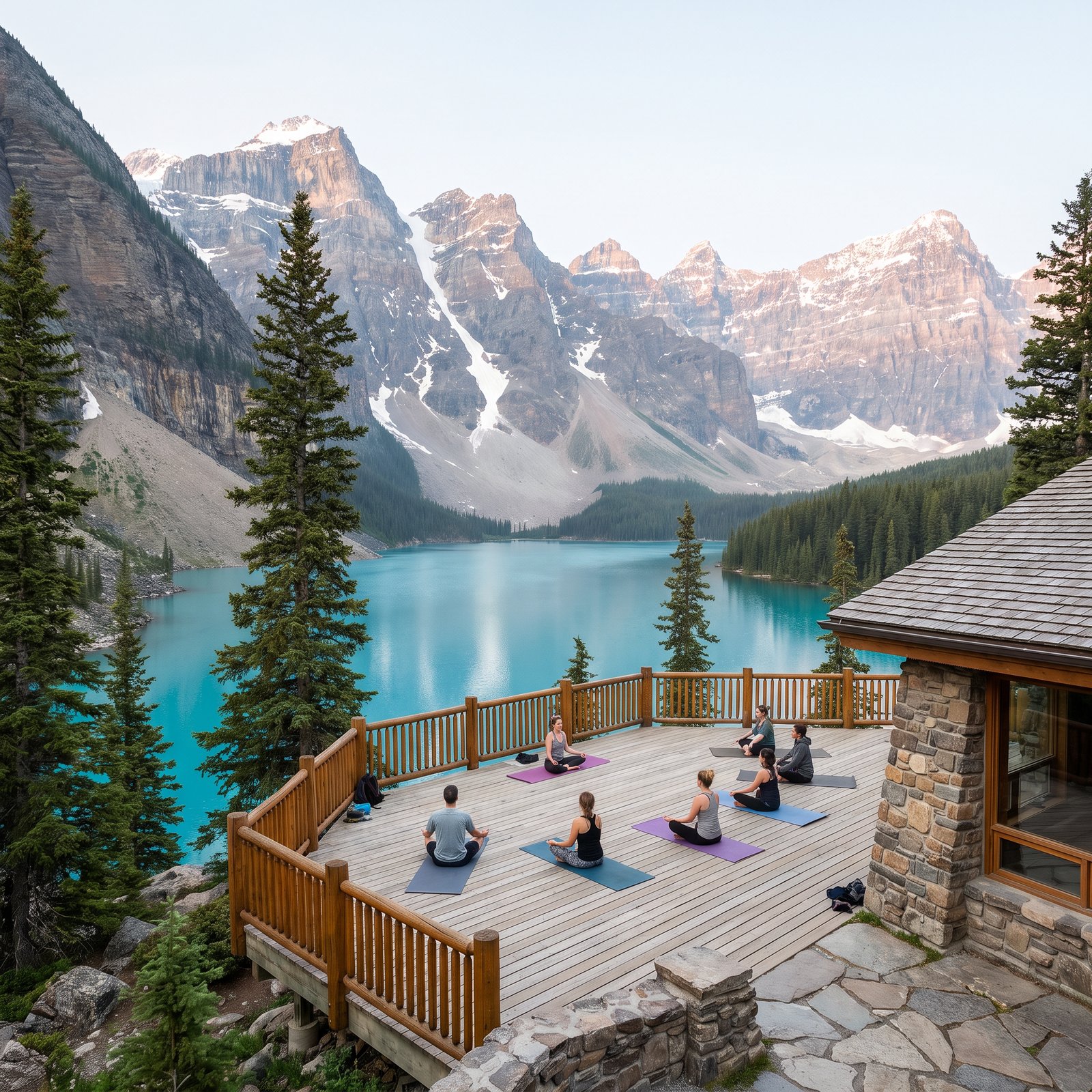
Ten days is the sweet spot at which a silent retreat stops being about the retreat and starts being about you. It's long enough for the mind to run out of interesting things to think about. Short enough to be sustainable for someone with a job and a family.
The packing question is the least of it, but it's the one everyone wants answered first. So here's the list.
What to actually put in the bag
Clothes for the mat and the meditation cushion — layers you can move in, and layers you can sit still in for an hour without being cold. Two pairs of long, loose bottoms. Three long-sleeved tops. One warm sweater or fleece for the pre-dawn sit. Wool socks. Nothing new — this is not the trip to break in a wardrobe.
Sleep clothes and one pair of comfortable slippers. Most retreats have hardwood or tile floors. Slippers matter.
Toiletries — the boring, unscented version. No perfume, no essential oils, no strong deodorant. Retreat centres request this because a room of 30 people sitting quietly for hours has a shared air; one strong scent affects everyone. Bring shampoo, conditioner, toothpaste, soap, deodorant, moisturizer. In a small clear bag. Done.
A refillable water bottle. One litre or bigger. You'll drink more water than you expect.
Your own yoga mat, if you have one you love. Most centres provide mats — but if there's one you know your body on, bring it.
A small notebook and pen. Some retreats prohibit writing entirely; most allow it, and most people who go in thinking they won't want to write are grateful for the notebook by day four.
Prescription medications in original bottles, plus over-the-counter for headaches and mild digestive upset. Retreat first-aid kits are basic.
A single book you've been meaning to read. Same logic as the notebook — you may not use it, but if reading is allowed and you're on a rest day, you'll want it.
What to specifically leave home
Your laptop. All work-related paper. The novel you're 40 pages into. The workout clothes you'd wear to a gym. A watch that beeps. Perfume, cologne, scented lotion. Jewellery you'd be sad to lose. A second bag.
Your phone, obviously — but bring it in your carry-on for the airport / drive, and hand it in at check-in. Most centres store phones for the duration; that's normal, expected, and the correct default.
Prepping the life you're pausing
Packing your bag takes an hour. Packing your absence takes a week. Do this two Sundays before you leave:
- Set an out-of-office with a real return date, not a "may check occasionally" fudge. Route urgent items to a specific person and confirm they know they're the fallback.
- Pay bills that will come due. Autopay is fine, but check the balances now.
- Give one person the retreat's phone number for genuine emergencies. Most centres will pull a practitioner out of a sit for a family emergency; that's what the number is for.
- Cancel anything scheduled for the week after — you'll be tired and slightly re-entrant. Give yourself Monday off, minimum.
Prepping the body
The physical shock of a 10-day retreat, if you're not used to sitting, is real. You'll spend eight to ten hours a day cross-legged. Two weeks out, start doing 20-minute sits at home. Not to build the perfect meditation practice — to teach your hips and knees what's coming.
Cut caffeine by half the week before, if you drink a lot. Retreat centres serve herbal tea; the caffeine withdrawal on day two is a real headache that has nothing to do with meditation.
Eat lighter for the two days before. You'll be moving to a plant-based diet regardless of what the centre serves.
What to actually expect on days three, six, and nine
Day three is the hardest for most people. The novelty has worn off, the second wind hasn't kicked in. Everything hurts. Sit with it — this is where the retreat starts.
Day six is the strange one. Time behaves differently. You'll have moments of extraordinary clarity and moments of restless boredom in the same afternoon. Neither means anything about your progress.
Day nine is quiet. Most people describe it as gentle. You know you're going home tomorrow; you're not there yet.
Day ten, the noble silence usually breaks around midday. It's stranger to hear voices again than you'll expect.
Then you drive home. And you'll notice things about your life you couldn't see two weeks ago. That's the whole point.
Found this useful? Pass it along.